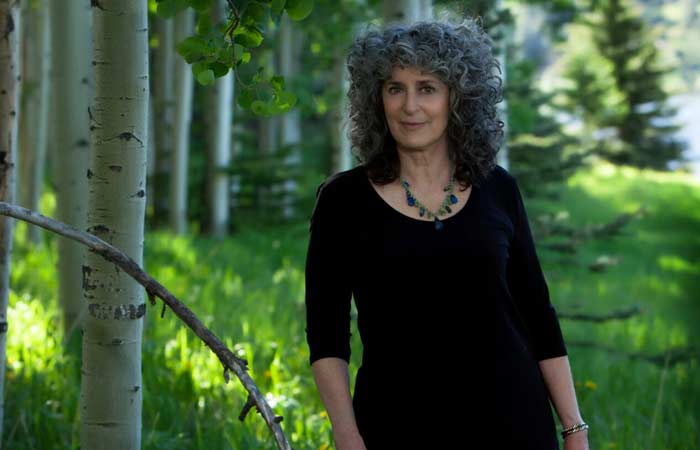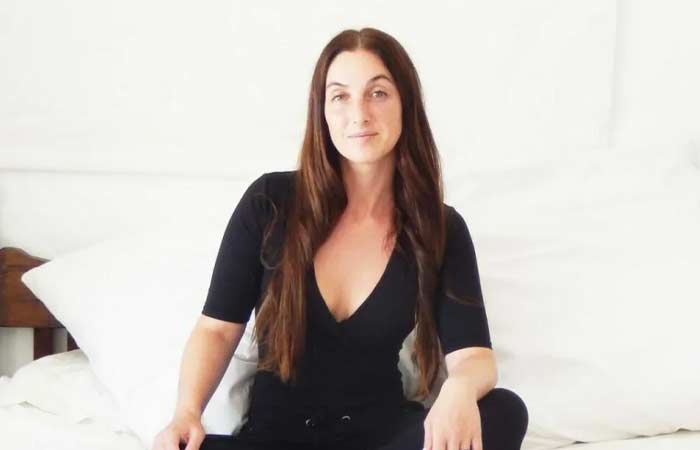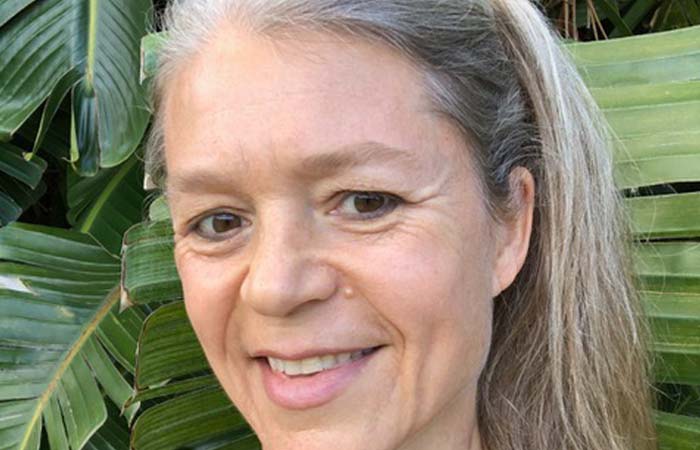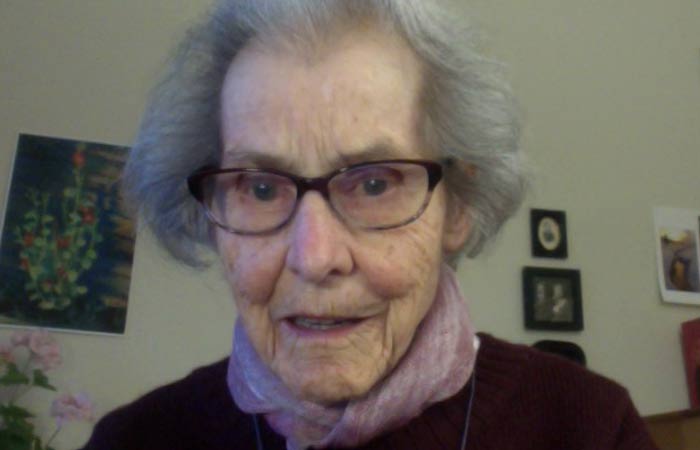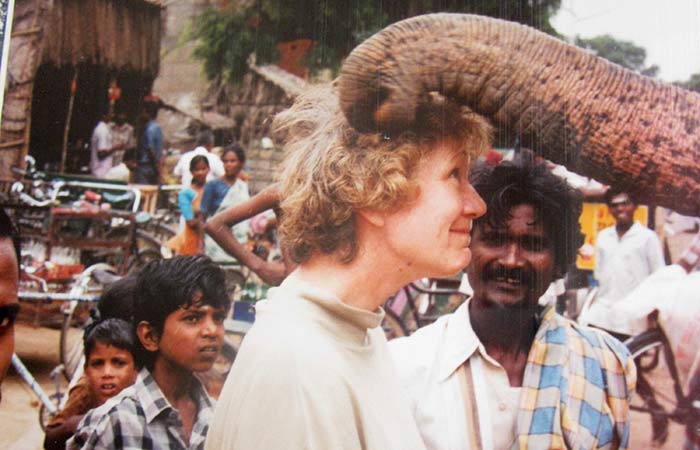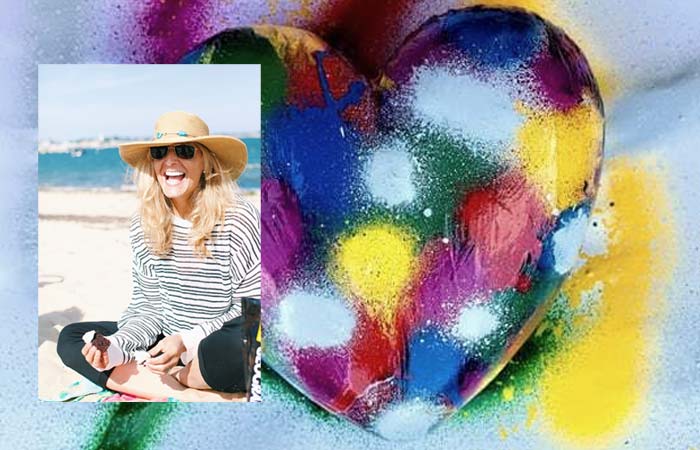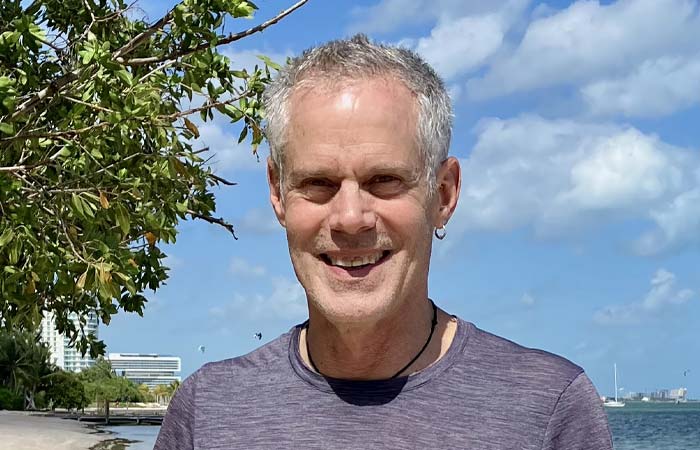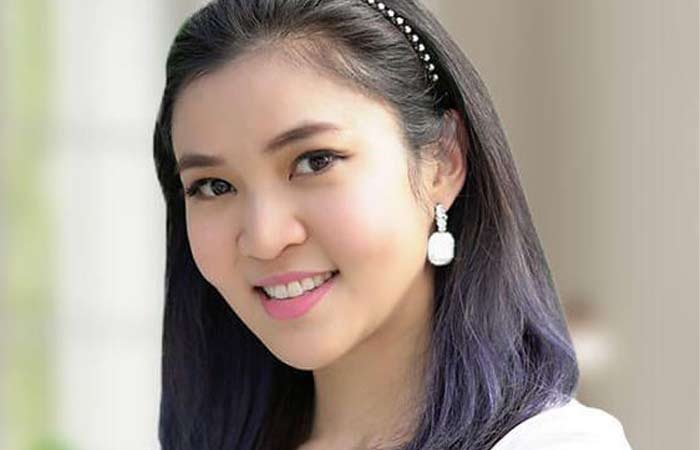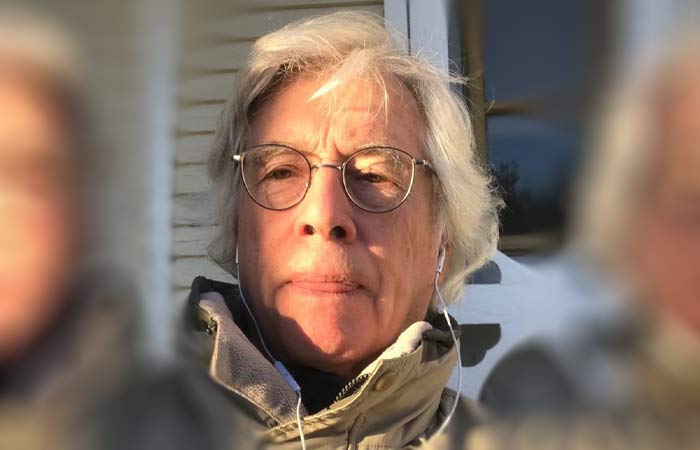
I met Marcee Gutman-Ballantyne 1993ish at my home in Portland, OR. She was introduced by my cousin as his girlfriend (today his wife) as they toured from Pueblo, CO through the Pacific Northwest. The light entering my home as her was humbling, and I felt an intense focus settling around us. Over the years I joked if she put her classes on Zoom I would take my cousin’s meditation class. In 2020 they did and I did. I also discovered classes that included yoga and ParaYoga Nidra. What an amazing oasis in the desert this studio is, actually and figuratively. Shortly after this interview, it was discovered Marcee needed surgery and that experience briefly figures in at the end of the interview. I hope I have represented the depth and width of this Being currently named Marcee.
~
Ruth Smith: Thank you for taking the time to speak with me about your years practicing and teaching yoga nidra. Three years ago at the end of my first class with you, I had no idea what happened but was convinced something had. You teach that we can participate in the healing of our body and practices of yoga nidra and yoga are extremely helpful in that quest. What led you to become a multi-decade practitioner and reliable teacher of yoga and yoga nidra?
Marcee Ballantyne: My teacher’s explanation of yoga nidra is the following: “Rooted in a vast body of knowledge, yoga nidra has five different aims or outcomes. Depending upon which one of these five you wish to achieve, the approach changes. On the most basic level, yoga nidra is a comprehensive method for maximizing health and well-being. On a deeper level, it is a profoundly spiritual practice and somewhere in between, it is one of the most thoughtful and accessible ways to positively reshape the unconscious.”
Even as a kid, I was a seeker. My second cousin, an initiator in Transcendental Meditation, introduced me when I was seventeen and it was my practice for several years. Around twenty, I became very sick with a rare and life-threatening autoimmune disease. I was receiving medical care just to stay alive and eventually came under the care of Dr. Anthony Fauci at NIH and credit him for saving my life.
My meditation practice helped calm me down and keep me steady. My mom took me to a yoga class I loved at the Himalayan Institute but being in and out of hospitals prevented me from being consistent. In my thirties, my health became a bit more stable and I faithfully studied and practiced yoga and meditation while traveling around the U.S. as a caricature artist. I fell in love with the holistic aspect of yoga; the physical, mental, emotional, and spiritual union. The healing possibilities were endless to me and, subsequently, to my students.
In 1996, I received my first yoga certification and opened my yoga studio. I studied the Universal Principles of Alignment of Anusara Yoga and received certification in that style of teaching. As a student of Paramahansa Yogananda, I studied the How to Live Lessons and learned much, including energization exercises and a specific Kriya technique.
Unfortunately, I came out of remission in 2005 and for a time had to let my studio teachers take over my classes. I began studying with ParaYoga founder Rod Stryker because of his deep understanding of the principles of original yoga which includes asana, pranayama, bandha, mudra, and kriya. Because of how I felt afterward, I wanted more and practiced Rod’s Yoga Nidra CD, Relax into Greatness, with complete absorption. I practice yoga nidra almost daily and it contributes to empowering my healing.
In 2020, I took Rod Stryker’s Master Program for ParaYoga Nidra certification. The practice made an enormous difference for me and I was confident it could help others. Rod Stryker’s ParaYoga Nidra is sourced from ancient texts in the Himalayan tradition. It’s a unique, facilitating entrance to all four stages of yoga nidra. As I mentioned, my first yoga class was at the Himalayan Institute, so this program brought me back full circle to the Himalayan tradition.
Rod Stryker’s yoga nidra has templates with variations offering healing, cognition, resting in the heart of hearts, and sankalpa shakti. This is different from the other four common practices developed within the past 50 years from a sole source, Bihar Yoga School.
I love the simple exercises at the beginning including joints and glands and breathwork. Not only does it wake you up a bit more, but also removes tension from the body so you are more relaxed, can practice with more awareness, and fewer aches and pains. Pranayama helps to calm the mind so we enter the state of yoga nidra in the best possible place.
Yoga nidra is equal to the higher stages of Samadhi, the state where the mind is suspended; the razor’s edge that we practice – staying aware and tapping into connection to source. Once mastered, one experiences a conscious, deep, and dreamless state possessing an awareness of surroundings without thinking about it or having any attachment.
Yoga nidra masters are able to access Nirvikalpa, the intersection of sleep and Turiya, or 4th; the state of pure consciousness transcendent and enlightened as referred to in ancient texts.
The yoga nidra classes I teach happen right after my personal yoga nidra practice. Being as close as I can be to higher states, I bring that enhanced energy into class. Yoga nidra is such a beautiful practice of letting go of everything physical and moving into connection to source.
Ruth Smith: Your yoga nidra classes offer opportunities for extraordinary experiences of steady, open surrender to the moment and it helps satisfy a deep longing for connection to source.
Marcee Ballantyne: Everybody needs yoga nidra. We know stress destroys our health. People are so stressed and exhausted and this is a beautiful practice where we rest in the Divine Mother’s arms. We can connect to Source and be better humans on all levels. Our body and mind sleep while conscious awareness stays aware. As we get to various stages in the practice, we come into Turiya, the 4th state.
Ruth Smith: Your parting words at the close of class, “Always remember that You. Are. Loved” are so powerful. Having traversed into deep practice, returning to the physical world, and then hearing those words sets me up to be a better version of myself. Thank you!
Marcee Ballantyne: It’s purposeful that I say that at the end because that has been my experience of how I felt at the end of my practice. I feel held and loved by the Divine Mother and I want to share this beautiful blessing with my students.
Recently I had another health crisis. Last week, I had surgery to correct a problem that the autoimmune disease caused. Before surgery, I had the remarkable experience of being in a state of witness consciousness. I was unattached to my body, mind, and ego or the outcomes of the entire surgery process. Again, I realized how much yoga nidra is a deep and subtle force playing out in all aspects of my life. A belief must become a practice for it to withstand the tests of your challenges. ParaYoga Nidra has been all of that and more for me!
Interviews

Artificial Intelligence and the Evolution of Consciousness
Interview with Steve McIntosh
Presence Cannot Be Simulated
Interview with Charles Eisenstein
Beyond the Creative Glass Ceiling
Interview with E. J. Gold and Claude Needham
“I Feel Responsible”: The Challenges of Bringing AI to Ethiopia
Interview with Mekdes Asefa
AI and the Future of Our Classrooms
Interview with Amy EdelsteinBook Reviews

A Summary of the Fetzer Institute’s Sharing Spiritual Heritage Report: A review by Ariela Cohen and Robin Beck
By Ariela Cohen
Choosing Earth, Choosing Us: Book Review of Choosing Earth
By Robin Beck

Everything, Everywhere, All at Once: Movie Review
By Jeff Sullivan
Monk and Robot: Book Review of A Psalm for the Wild-Built
By Robin Beck