
The Artist of
POSSIBILITY
Magazine
The Spontaneous Writing Circle is a peer-led group in The Mystery School.
In timed sessions, a member will read a poem or excerpt of prose after which the group write what's present to each of them, unedited and uncensored. The intention is to have the words appear while any effort to create them is surrendered. Each person then reads their writing to each other, and no critique is offered. This absence of distinctions and value judgments has created an open and lively space of ease, appreciation and creativity and a constant experience of wonder. This piece was written in one of these circles.

Interviews
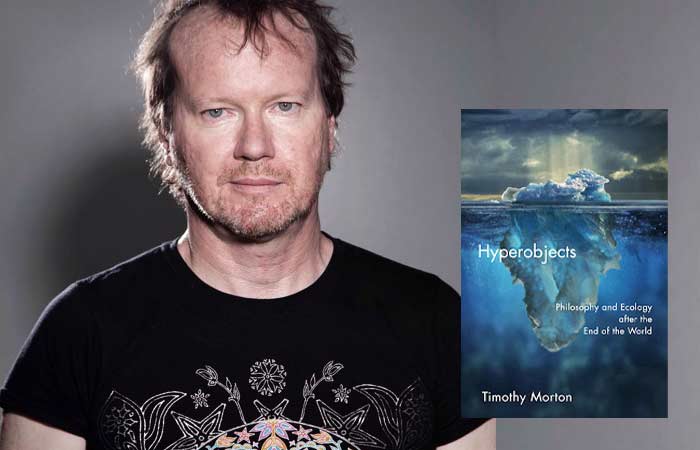
Hyperobjects and the Higher Dimension of Jesus
An Interview with Dr. Timothy Morton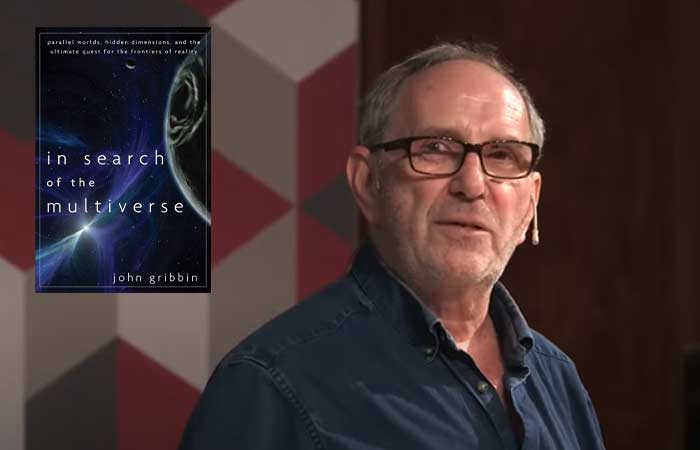
The Reality of the Multiverse
An Interview with John Gribbin
The Reality of the Fourth Dimension
An Interview with Rudy Rucker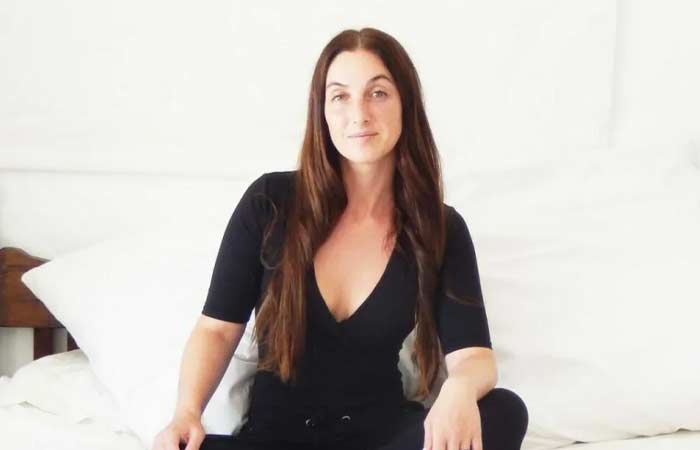
The Awakening Power of Sleep and Dreams
An Interview with Athena Laz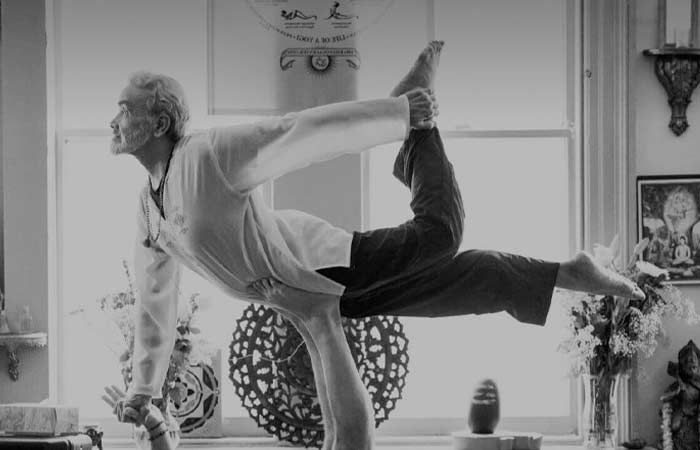
An Introduction to Yoga Nidra
An Interview with Dharma MittraBook Reviews
A Summary of the Fetzer Institute’s Sharing Spiritual Heritage Report: An Review By Ariela Cohen and Robin Beck
By Ariela Cohen
Choosing Earth, Choosing Us: A Book Review of Choosing Earth
By Robin Beck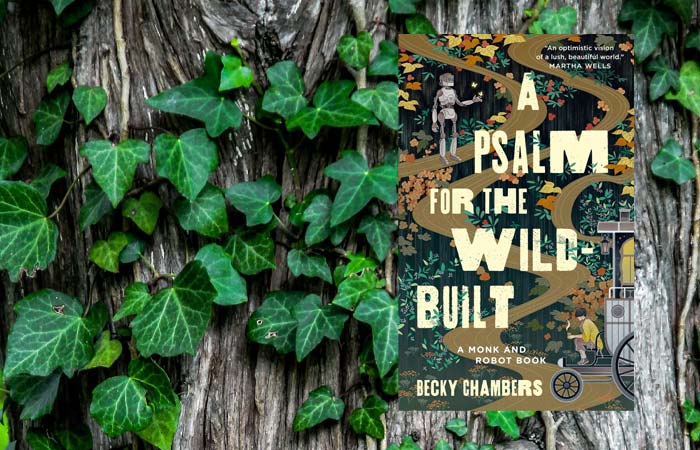
Monk and Robot: A Book Review
By Robin Beck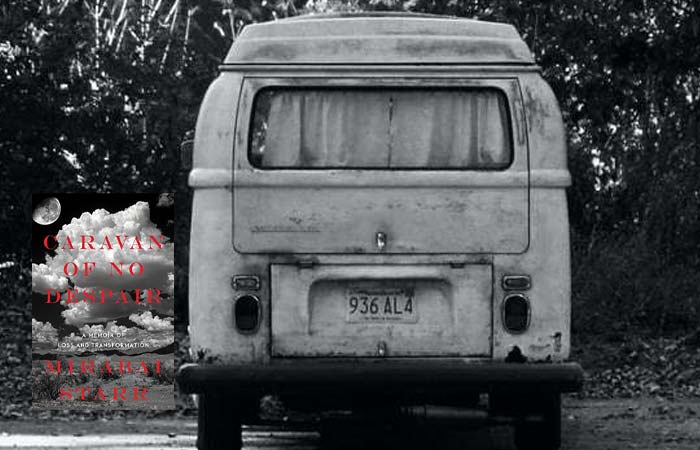
No Pallatives. No Promises: Radical acceptance as one woman's path to living with grief
By Amy Edelstein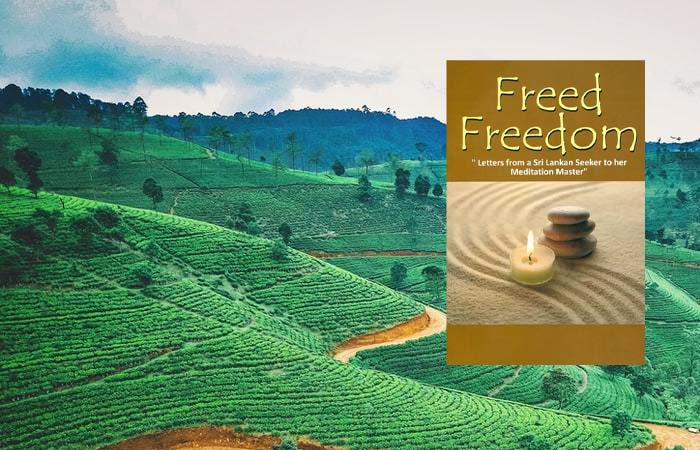
Freed Freedom: Letters from a Sri Lanka Seeker to her Meditation Master
By Amy EdelsteinEssays
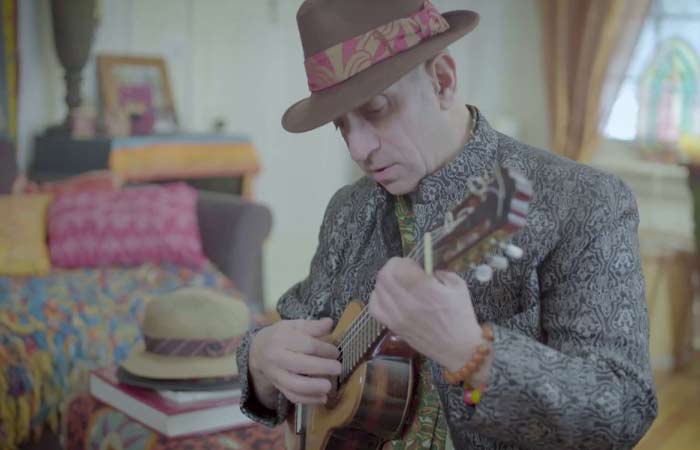
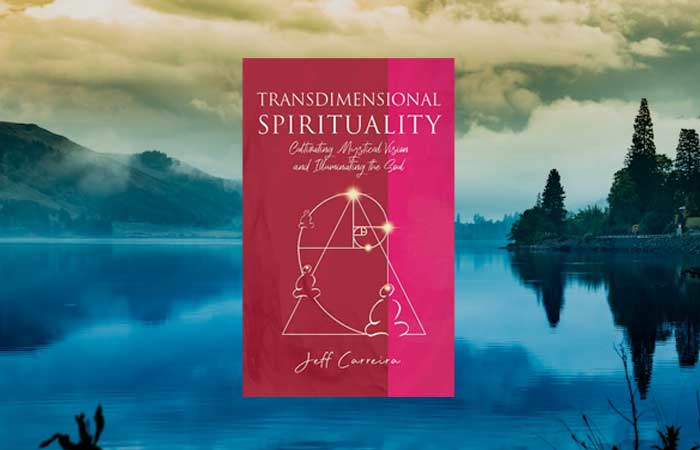
Bio-Psycho-Spiritual Foundations of Self-Realization: Reflections on being an Artist of Possibility and Transdimensional Spirituality
By KD Meyers
Awakening Through the Body
By Adriana Colotti Comel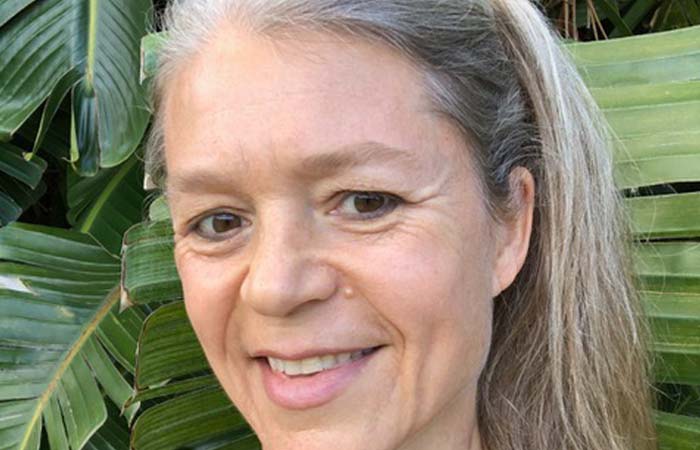
What is Love? An Introspection
By Judith Marsden
Traditions are meant to be updated
By Olivia Wu